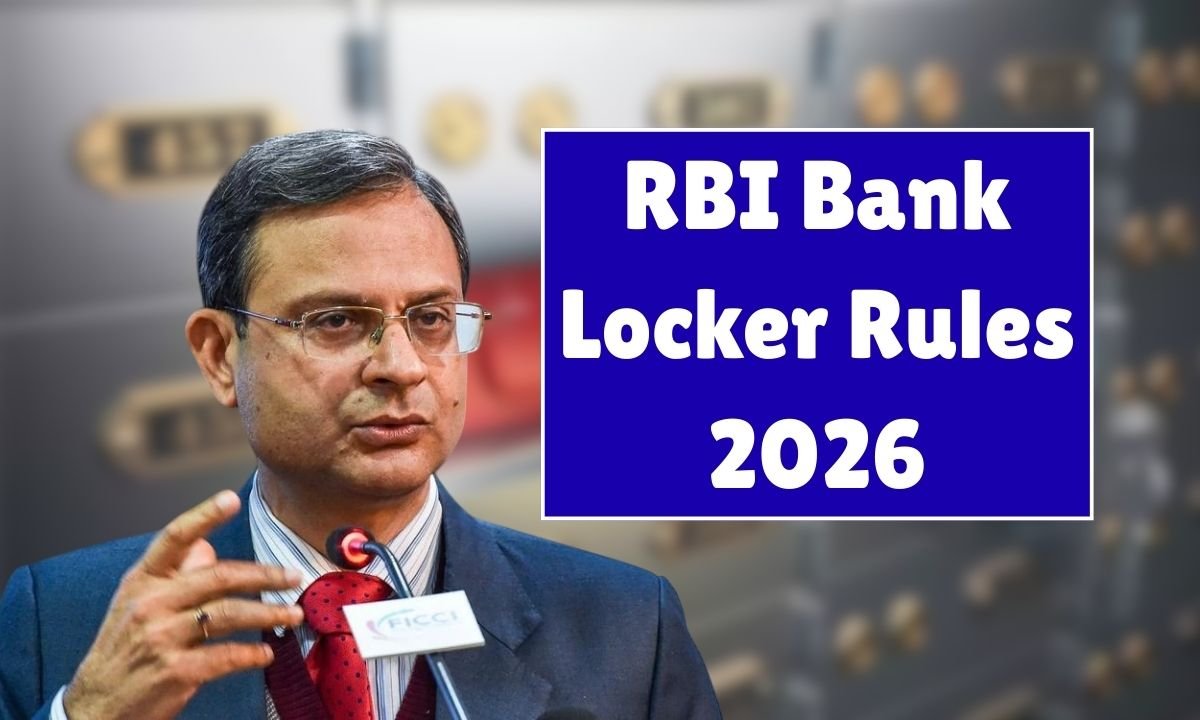
Imagine this. Your family walks into the bank after a personal loss, only to be told the locker claim will take months. That uncertainty used to be common. Not anymore. The RBI Bank Locker Rules 2026 have changed the game, and if you rent a locker, these updates directly affect you.
Here’s the thing. Most of us assume a bank locker means full protection, unlimited compensation, and zero hassle. But the reality is more nuanced. The new RBI Bank Locker Rules 2026 bring stronger customer rights, yes, but they also clearly define what banks are — and aren’t — responsible for.
Faster Claim Settlement for Families
One of the most important updates is about claim settlement for deceased customers. From January 1, 2026, banks must settle locker claims within 15 days of receiving complete documents from the nominee or legal heir. That’s a massive relief compared to the uncertainty people faced earlier.
If a bank delays beyond this period, it must pay a penalty of ₹5,000 per day. Think about what that means. Your family is no longer left chasing paperwork endlessly during an already difficult time. The system now pushes banks to act quickly and responsibly.
Stronger Security Measures for Locker Access
Security has also tightened. Many major banks have introduced Aadhaar-linked biometric authentication for locker access. This reduces the risk of unauthorized entry and impersonation.
In addition, banks must now retain CCTV footage for 180 days. Every time your locker is accessed, you receive an SMS and email alert. So even if you’re not physically present, you’ll know instantly if your locker has been operated. That level of transparency builds trust.

Bank Liability: The Rule Most People Misunderstand
Now, let’s talk about the part that surprises many customers. Under the RBI Bank Locker Rules 2026, a bank’s maximum liability is capped at 100 times your annual locker rent in cases of negligence such as theft, fire, fraud, or building collapse.
Let’s say your annual rent is ₹3,000. The maximum compensation you can receive is ₹3,00,000 — even if your locker contains gold worth much more. That’s the limit. And here’s the catch: if loss happens due to natural disasters like floods or earthquakes, the bank is not liable at all.
This is why I always say, don’t treat a locker as insurance. If you’re storing high-value jewellery or important assets, separate insurance coverage is a smart move.
Nomination and Prohibited Items
Another useful change is nomination flexibility. You can now add up to four nominees to your locker. This makes succession smoother and reduces legal complications later.
At the same time, the rules are strict about what you cannot store. Cash, weapons, hazardous materials, or illegal items are strictly prohibited. Violating these conditions can lead to termination of the locker agreement.

You also need to pay your rent on time. If rent remains unpaid for a prolonged period, banks have the right to break open the locker after following proper legal procedures, including videography and witnesses.
What Should You Do Now?
The RBI Bank Locker Rules 2026 aim to create clarity, accountability, and better customer protection. But protection works both ways. Update your nominee details. Keep your contact information current. And seriously consider insuring high-value items stored inside.
This article is for informational purposes only and does not constitute legal or financial advice. For specific concerns, consult your bank or a qualified advisor.